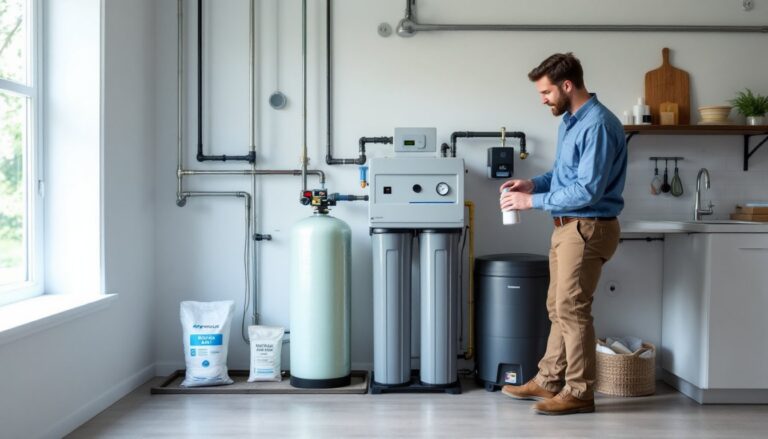
Soft water systems work quietly in the background, protecting pipes and appliances from mineral buildup while extending the life of water heaters and reducing soap scum on fixtures. But like any home system, a water softener requires regular attention to keep performing at peak efficiency. Many homeowners neglect their softener maintenance until problems emerge, hard water returning, salt bridges clogging the brine tank, or the system cycling more often than it should. The good news: keeping a softener in top shape doesn’t demand much time or expertise. This guide walks you through the essential maintenance tasks, from monitoring salt levels to troubleshooting common issues, so your soft water system runs smoothly for years.
Table of Contents
ToggleKey Takeaways
- Check soft water system salt levels every 4–6 weeks and maintain them at half to three-quarters capacity to prevent salt bridging and ensure effective brine regeneration.
- Use high-purity softener salt pellets instead of rock salt to minimize sludge buildup and reduce the frequency of tank cleanings.
- Deep clean your brine tank every 1–3 years, or annually in hard-water areas, to remove sediment and mineral deposits that accumulate over time.
- Test water hardness annually and adjust your softener’s hardness settings accordingly, as changes in water quality or household usage patterns can affect system performance.
- Monitor your system for hard water returning, salt mushing, and excessive salt consumption—common issues that signal the need for salt level checks, bypass valve inspection, or professional service.
- Periodically exercise the bypass valve and inspect the water level indicator in the brine tank to catch leaks early and prevent water and salt waste.
Understanding Your Soft Water System
Most residential water softening systems use ion-exchange technology. Inside the mineral tank, resin beads exchange hardness minerals, primarily calcium and magnesium, for sodium ions, effectively softening the water. Over time, the resin becomes saturated and needs regeneration. That’s where the brine tank comes in: it holds salt dissolved in water to create a brine solution that “recharges” the resin beads so they can continue their work.
A control valve oversees the whole operation, triggering regeneration cycles based on either elapsed time or water usage (demand-based systems are more efficient for variable households). The mineral tank, brine tank, and control valve work together as one unit, but they require different types of care.
Knowing this basic setup helps explain why you’ll need to check salt levels, clean tanks periodically, and monitor the valve settings. The system is straightforward, but neglecting any part can reduce efficiency and cause mineral and salt-related problems downstream.
Essential Salt Maintenance for Optimal Performance
Salt is the lifeblood of your softener. Without it, the brine solution can’t regenerate the resin, and your softener stops working. Check salt levels every 4–6 weeks during normal use, or every 2–4 months if household water consumption is light. Don’t let the salt level drop below one-third full, and refill before water rises above the salt.
Maintain salt at roughly half to three-quarters of the brine tank capacity, overfilling to the very top reduces brine strength and can cause salt bridging, where a hard crust forms over empty space below. This bridge prevents salt from dissolving, starving the resin of fresh brine. If you notice the salt level hasn’t dropped in weeks even though regular use, a salt bridge is likely the culprit.
According to expert guidance on water softener maintenance routines, consistent salt checks are the single most important maintenance habit. When refilling, use a 5-gallon food-grade bucket to avoid spills and keep the area clean.
Choosing the Right Salt Type
High-purity softener salt pellets are the gold standard for residential systems. Pellets dissolve more completely than rock salt and leave less insoluble residue, which means fewer tank cleanings and reduced sludge buildup. They’re ideal if you live in humid climates, have hard water, or run higher water volumes.
Crystal salt (solar-evaporated, food-grade salt) is another solid option and slightly less expensive, though pellets remain the industry recommendation. Avoid rock salt, it contains 1–2% insoluble material that accumulates as sludge, requiring more frequent tank cleaning.
Check your softener’s manual for salt type approval: some systems have specific requirements. If you have high iron content in your water, your dealer may recommend iron-specific softener salt or periodic iron-removal treatments to prevent resin fouling.
Regular Cleaning and Tank Care
The brine tank accumulates salt sediment and mineral deposits over time, especially in hard-water areas or if you’ve dealt with salt mushing or bridging. Plan to deep clean it every 1–3 years, or annually if you’re in a problem situation (high water hardness, frequent salt issues, or humid conditions).
To clean the brine tank:
- Turn off the softener at the control valve.
- Remove the brine tank lid and bail out excess water using a small bucket or submersible pump (wear nitrile gloves to protect your hands).
- Use a shop vac to remove remaining water and loose salt debris.
- Scrub the interior with warm soapy water and a soft brush, paying attention to corners and the bottom where sludge accumulates.
- For disinfection in problem tanks, dilute household bleach (1 part bleach to 10 parts water), wipe interior surfaces, and let sit 15 minutes before rinsing thoroughly with clean water.
- Dry the tank completely before refilling with fresh salt.
The exterior of your softener doesn’t demand much, wipe it monthly with a damp cloth and mild dish soap. Avoid harsh chemical cleaners or abrasive scrubbing, which can damage the tank’s finish.
Periodically exercise the bypass valve (usually a lever or knob on the control valve) by switching it to bypass and back to service mode. This keeps the valve from seizing and ensures you can isolate the softener quickly if repairs are needed. Following expert advice on water softener system care can help you catch issues before they escalate.
Preventing Mineral Buildup and Resin Issues
The resin beads inside the mineral tank are your softener’s active ingredient, and they can degrade if mineral or iron deposits coat them. Resin cleaning using a commercial resin cleaner should happen annually if you have high iron water, or every 2–3 years for typical households. Follow your softener manufacturer’s instructions carefully, as the process varies by model.
If you notice softening performance dropping, water that feels hard even though the system running, or you spot resin beads in treated water, the resin may be fouled or failing. Small leaks of resin beads are usually a sign the resin bed is breaking down and replacement is imminent. This is not a DIY repair: contact a local water softener service to assess and replace the mineral tank’s resin or the tank itself.
Monitoring System Performance and Settings
Your softener’s settings should match your water’s hardness level and your household’s typical water consumption. If settings are off, the system either wastes salt on unnecessary regeneration or fails to regenerate often enough, leaving you with hard water at the tap.
Test your water hardness about once or twice per year using an inexpensive test kit (available at hardware stores or online for under $20), or have your water professionally tested if you suspect changes due to a new well, recent water main work, or other factors. Compare results to your softener’s hardness setting. If your water hardness has increased, adjust the control valve’s hardness dial accordingly.
Check the softener’s regeneration schedule too. Most systems are set to regenerate based on water usage, but time-based settings work if your consumption is predictable. In households where patterns have shifted, remote work increasing daytime usage, or kids moving out reducing overall demand, you may need to recalibrate.
Examine the control valve’s water level indicator (usually a small tube) occasionally. A sudden drop in water level inside the brine tank when the softener isn’t running can signal a leak in the drain line or control valve. Leaks waste water and salt, so address them promptly. For persistent issues or if you’re unsure about adjusting settings, water softener upkeep guidance from experienced technicians can clarify next steps, or call a local service professional.
Troubleshooting Common Problems
Hard Water After Softening
If water feels hard again, start with the simplest checks: Is the salt level adequate? Low salt is the most common cause. Check for a salt bridge, a hard crust forming over empty space in the brine tank. Gently break it up with a wooden broom handle (avoid metal, which can damage the tank), and carefully remove the mush with a small bucket or shop vac. Never use an axe or sharp tools, which puncture the tank.
Next, verify the softener isn’t in bypass mode (a valve lever or switch set to “bypass” bypasses the mineral tank entirely). Return it to “service” mode. Also confirm regeneration has occurred recently by checking the control valve’s cycle counter or regeneration log if your model has one.
Salt Mushing
A thick, sludgy layer at the brine tank bottom, salt mushing, occurs when excess water and air mix in the salt, causing it to turn to paste rather than dissolving. If this happens, you’ll need to empty and hand-clean the tank (follow the steps in the “Regular Cleaning and Tank Care” section), then refill with fresh salt. To prevent it, avoid overfilling, ensure adequate ventilation around the brine tank, and use high-purity pellet salt.
Excessive Salt Use
If the salt level drops unusually fast, more than once per month in typical households, investigate. Check the control valve’s hardness setting: it may be dialed too high, causing overtreatment and unnecessary regeneration cycles. Inspect drain lines and the venturi valve (a small assembly inside the control valve) for leaks or blockages. A clogged venturi restricts brine flow, reducing regeneration efficiency and wasting salt. If you’ve ruled out settings and can’t spot a leak, the control valve may be failing and requires professional service.
Water Quality Issues
If water smells like rotten eggs or has a sulfurous taste, or if brown or red staining appears, the system likely has hydrogen sulfide gas or excessive iron. These issues require specialized treatment beyond standard softening, such as a separate iron filter or aeration system, and you should consult a water treatment professional.