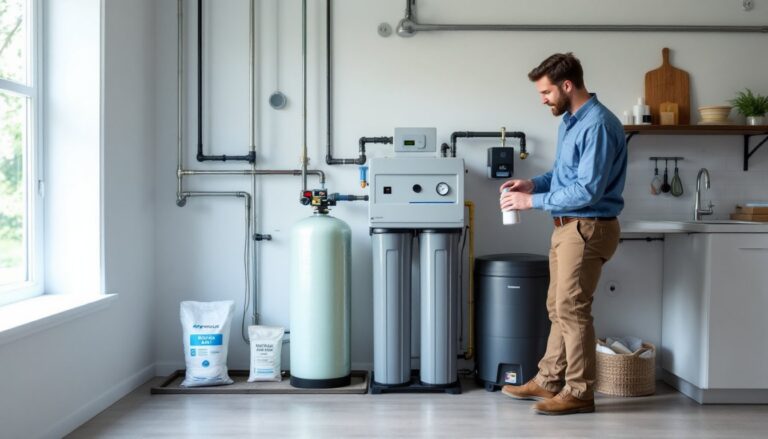

Water softeners work quietly in basements and utility rooms, removing minerals that wreak havoc on pipes, appliances, and water heaters. But like any hardworking appliance, they need periodic cleaning to keep functioning efficiently. A neglected water softener loses capacity, wastes salt, and eventually stops softening water altogether. The good news? Cleaning a water softener is straightforward DIY work that requires no special skills, just a few hours, basic tools, and the right approach. This guide walks through the complete process, from draining the brine tank to flushing the resin bed, so the system keeps delivering soft water for years.
Table of Contents
ToggleKey Takeaways
- Regular water softener cleaning prevents salt bridges, sediment buildup, and resin fouling that degrade performance and waste salt over time.
- Clean your brine tank annually by draining, scrubbing with mild soap, disinfecting with bleach, and refilling with high-purity salt pellets.
- Flush the resin bed with a dedicated cleaner poured into the brine well to remove iron, manganese, and organic matter that reduce ion exchange capacity.
- Homes with well water, high iron content, or heavy water usage should clean their water softener every six months instead of annually.
- Watch for hard water symptoms like soap scum, dishwasher spots, and rust stains as signals that your water softener needs immediate cleaning to prevent expensive repairs.
Why Regular Water Softener Cleaning Matters
Water softeners exchange sodium ions for calcium and magnesium ions, which bond to resin beads inside the tank. Over time, three things degrade performance: salt buildup (also called salt bridges or salt mushing), sediment accumulation in the brine tank, and resin fouling from iron, manganese, or organic matter.
Salt bridges form when humidity causes salt to clump and harden, creating a gap between the salt pile and water below. The system can’t regenerate properly because brine solution never forms. Salt mushing happens when dissolved salt recrystallizes at the bottom of the tank into a sludgy layer that blocks water flow.
Sediment and mineral deposits settle in the brine tank from incoming water or degraded salt pellets. This debris reduces brine concentration and clogs the valve assembly. Meanwhile, resin fouling coats the beads with iron oxide or organic films, reducing ion exchange capacity. Regular maintenance prevents buildup and extends the life of the system, often by several years.
Skipping maintenance shows up as hard water symptoms: soap scum returns, dishwasher leaves spots, and water heater efficiency drops. If the unit uses more salt than usual or regenerates more frequently, it’s time to clean. Most manufacturers recommend a full cleaning annually, though homes with high iron content or well water may need cleaning every six months.
Tools and Supplies You’ll Need
Gather everything before starting. Cleaning a water softener involves draining, scrubbing, and flushing, having supplies on hand keeps the process efficient.
Tools:
- Shop vacuum (wet/dry vac for removing brine and sediment)
- Long-handled brush or plastic scrub brush
- Bucket (5-gallon capacity)
- Garden hose with spray nozzle
- Adjustable wrench or screwdriver (for valve cover removal, if needed)
- Flashlight
Cleaning Supplies:
- Water softener cleaner or resin bed cleaner (Iron Out, Res-Up, or citric acid-based formulas work well for resin fouling)
- Dish soap (mild detergent for brine tank scrubbing)
- Bleach or vinegar (optional, for disinfecting: use ¼ cup bleach or 2 cups white vinegar)
- Clean rags or towels
Safety Gear:
- Rubber gloves (protects hands from salt, bleach, and grime)
- Safety glasses (especially when draining or using cleaners)
Most water softener cleaning products are available at hardware stores or online. If the system has iron fouling (reddish-brown staining on components), choose a cleaner specifically formulated for iron removal. Avoid mixing bleach with other cleaners, stick to one disinfectant per cleaning session.
Step-by-Step Water Softener Cleaning Process
The cleaning process breaks into two main tasks: cleaning the brine tank and flushing the resin bed. Both require draining and accessing components, but they’re straightforward once the system is opened up.
Cleaning the Brine Tank
Start by shutting off water supply to the softener and initiating a manual regeneration cycle (or bypass the system if the unit has a bypass valve). This purges water from the brine tank and resin tank. Wait for the cycle to complete, usually 90 to 120 minutes, then unplug the unit or turn off power at the circuit breaker.
- Remove the brine grid or salt platform. Lift it out carefully: some units have clips or tabs holding it in place. Set it aside for cleaning.
- Scoop out remaining salt. Use a bucket or plastic container to remove salt pellets or crystals. If a salt bridge has formed, break it up with a broom handle or mallet (gently, avoid damaging the tank walls).
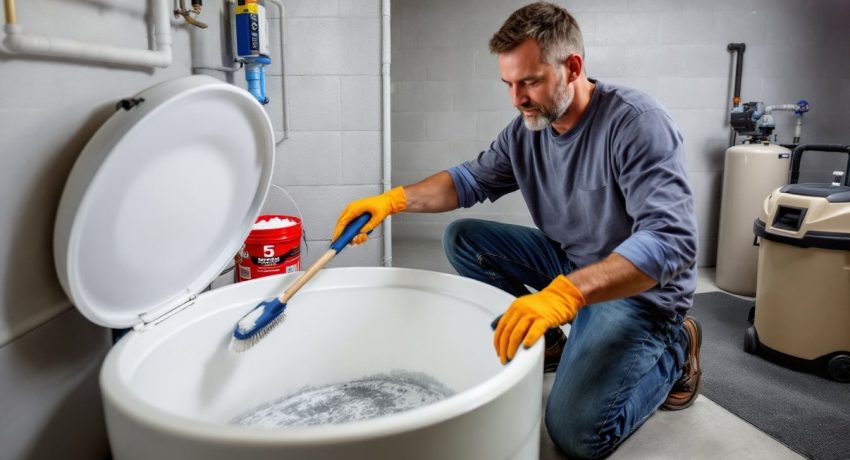
- Drain the brine tank completely. Use a shop vacuum to remove water and sludge from the bottom. Don’t pour this down household drains, it’s highly saline and can harm septic systems. Dispose of it outdoors or in a floor drain rated for brine discharge.
- Scrub the interior. Mix warm water with a few drops of dish soap. Use a long-handled brush to scrub tank walls, bottom, and the brine grid. Pay attention to corners and the area around the float assembly, where sediment accumulates. For stubborn mineral deposits, a solution of white vinegar works well without harming plastic components.
- Rinse thoroughly. Spray down the tank with a garden hose until rinse water runs clear. Remove all soap residue, leftover detergent can interfere with brine formation.
- Disinfect (optional but recommended). Add ¼ cup of household bleach to 2-3 gallons of water in the tank. Let it sit for 15 minutes, then scrub again and rinse thoroughly. This kills bacteria and mold that can grow in damp, salty environments.
- Clean the brine grid and float assembly. Scrub these components separately, checking the float for debris or salt crust that could prevent it from moving freely. A stuck float disrupts the fill cycle.
- Reassemble and refill salt. Once everything is dry and clean, replace the brine grid and add fresh salt. Use high-purity pellets designed for water softeners, avoid rock salt or cheaper grades that leave more residue.
Flushing the Resin Bed
The resin bed sits inside the main tank and handles the actual ion exchange. Over time, resin beads accumulate iron, manganese, and organic matter that regular regeneration cycles don’t fully remove. Flushing with a dedicated resin cleaner restores capacity and improves efficiency.
- Pour resin cleaner into the brine well. Follow the product’s dosage instructions, typically ½ to 1 cup of cleaner per cubic foot of resin. The brine well is the vertical tube inside the brine tank where water enters during regeneration. Pour the cleaner directly into this tube so it gets drawn into the resin tank during the next cycle.
- Initiate a manual regeneration cycle. The cleaner will be pulled into the resin bed, where it breaks down iron, manganese, and organic films. The cycle flushes the loosened contaminants to the drain.
- Run a second regeneration cycle (if heavily fouled). Homes with well water or high iron content benefit from a double flush. This ensures all cleaner and dissolved debris get purged from the system.
- Check the drain line during regeneration. Watch for discolored water or visible sediment. Brown or rust-colored discharge indicates iron fouling: cloudy water suggests organic matter or silt. Both are normal during cleaning.
- Restore normal operation. Once regeneration completes, turn the water supply back on and set the system to normal mode. Run a cold tap for a few minutes to clear any residual cleaner from the lines.
Some homeowners add resin cleaner every few months as preventive maintenance, especially in areas with high iron. This reduces the need for deep cleaning and keeps the resin bed functioning efficiently between annual cleanings.
How Often Should You Clean Your Water Softener?
Annual cleaning is the baseline for most homes with municipal water and average hardness levels (7-10 grains per gallon). This schedule keeps salt bridges, sediment, and minor resin fouling in check without requiring frequent shutdowns.
Every six months is better for homes with:
- Well water (higher sediment and mineral content)
- Iron levels above 0.3 ppm (causes faster resin fouling)
- Manganese in the water supply
- Heavy water usage (large families, frequent laundry or irrigation)
Quarterly flushing of the resin bed (without full brine tank cleaning) works well as preventive maintenance in challenging water conditions. Pour resin cleaner into the brine well and run a regeneration cycle. This takes 15 minutes of hands-on time and significantly extends the period between deep cleanings.
Signs the system needs immediate cleaning:
- Hard water symptoms return (soap scum, spotting, scale buildup)
- Salt level doesn’t drop between refills (indicates a salt bridge)
- Brine tank water level is too high or too low
- Rust stains on fixtures (suggests iron fouling in the resin bed)
- Increased salt consumption without explanation
- Unusual noises during regeneration
Ignoring these signs leads to costly repairs or premature system replacement. A $20 bottle of resin cleaner and a few hours of work can prevent a $1,500+ replacement.
Conclusion
Cleaning a water softener isn’t glamorous, but it’s one of those straightforward maintenance tasks that pays off in lower utility bills, longer appliance life, and consistently soft water. Most homeowners can handle the job in an afternoon with basic tools and supplies. Set a calendar reminder, keep resin cleaner on hand, and the system will keep working efficiently for years. When hard water symptoms reappear, don’t wait, tackle the cleaning before small issues turn into expensive repairs.