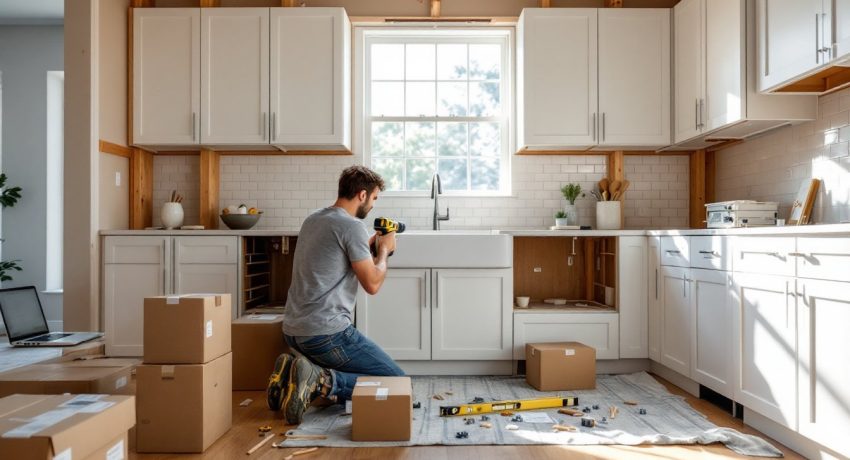

IKEA kitchens have transformed from budget afterthoughts into legitimate contenders for serious remodelers. With modular cabinets starting around $150 per linear foot compared to $350+ for most custom options, homeowners can stretch their budgets without sacrificing style. But IKEA’s system comes with its own learning curve, frameless construction, metric hardware, and a flat-pack assembly that rewards patience. This guide walks through everything from planning and design tools to installation realities, helping remodelers decide if an IKEA kitchen fits their skill level and project goals.
Table of Contents
ToggleKey Takeaways
- An IKEA kitchen remodel costs $5,000–$15,000 for cabinets alone, making it 50–60% cheaper than custom alternatives while offering modern design and soft-close hardware as standard features.
- Accurate measurements and IKEA’s online Kitchen Planner are essential; the planner enforces sizing rules and generates shopping lists, though design appointments ($199, credited toward purchase) help catch errors for first-time installers.
- DIY assembly is feasible with basic carpentry skills and standard tools, but expect 4–7 days for a 10×12 kitchen; professional installation costs $2,500–$7,000 and can complete the same project in 2–3 days.
- IKEA’s frameless SEKTION system uses metric hardware, modular 3-inch cabinet increments, and metric hinges that require tweaking after installation—plan for shims, fillers, and adjustments on non-square walls.
- Stock availability and discontinued door styles can delay projects; order all items at once and verify stock before demolition to avoid mid-project backorders and secondary market hunting.
- Countertop templating, electrical rough-in, and under-cabinet wiring must align with cabinet placement before installation—coordinate outlet heights at 44 inches and hire fabricators for complex layouts or stone surfaces.
Why Choose IKEA for Your Kitchen Remodel?
IKEA’s SEKTION system delivers value through standardized components and European-style frameless cabinets. The boxes themselves are melamine-coated particleboard, sturdy enough for most residential use and backed by a 25-year warranty on cabinet frames. Door and drawer fronts come in dozens of finishes, from matte white thermofoil to solid oak, allowing customization without custom pricing.
The modular design means cabinets come in 3-inch increments from 12 to 40 inches wide, with standard depths of 15 inches (upper) and 24 inches (base). This standardization simplifies planning but requires working within IKEA’s grid. Fillers and trim pieces accommodate walls that aren’t perfectly square, though they add to the final cost.
Another advantage: accessibility. With stores in most major metros and online ordering, getting replacement parts or additional cabinets mid-project is straightforward. Soft-close hinges and drawer dampeners come standard, features that often cost extra in big-box cabinet lines. The system also plays well with creative storage solutions for non-kitchen spaces.
The trade-off? IKEA cabinets require assembly. Each box arrives flat-packed with cam-lock fasteners and dowels. Assembly isn’t complex, but it’s time-consuming, budget 30-45 minutes per cabinet for a first-timer. There’s no solid wood construction at this price point, and some door styles show wear faster than painted hardwood alternatives.
Planning Your IKEA Kitchen Remodel
Measuring Your Space and Using IKEA’s Design Tools
Accurate measurements prevent expensive mistakes. Start by recording the overall dimensions of the space, length of each wall, ceiling height, and diagonal measurements to check for square. Mark locations of windows, doors, electrical outlets, gas lines, and plumbing. Note any obstructions like radiators, ductwork, or uneven floors.
Measure from corner to corner along the floor and again along the wall at counter height (36 inches). Differences indicate walls that aren’t plumb. Document everything on graph paper before touching IKEA’s tools.
IKEA’s online Kitchen Planner is the required starting point, staff won’t create orders without a saved plan from this tool. The 3D interface lets users drag cabinets, appliances, and fixtures into place while automatically generating a shopping list with item numbers. The planner enforces IKEA’s sizing rules, flagging impossible configurations.
Limitations exist: the tool can feel clunky, especially for complex layouts with angled walls or soffits. It won’t account for tile thickness, outlet box depth, or other real-world details. Save work frequently, browser crashes erase unsaved plans.
For tricky spaces, many remodelers rough out the design in the planner, then refine details on paper. IKEA stores offer design appointments (usually $199, credited toward purchase), where staff review plans and catch errors. Worth it for first-time IKEA installers.
Setting Your Budget and Timeline
A typical IKEA kitchen runs $5,000-$15,000 for cabinets, depending on size and door style. That’s cabinets only, add countertops ($1,500-$6,000), appliances ($2,000-$8,000), flooring, backsplash, lighting, and installation labor if hiring help.
Break the budget into categories:
- Cabinets and hardware: 30-40% of total
- Countertops: 15-25% (laminate on the low end, quartz at the high)
- Appliances: 20-30%
- Installation labor (if not DIY): 15-25%
- Flooring, backsplash, paint: 10-15%
Prices fluctuate. IKEA runs kitchen sales 2-3 times per year (typically spring and fall), offering 10-20% off cabinet frames or buy-more-save-more deals on complete kitchens. Plan purchases around these events when possible.
Timeline expectations: Assembly and installation for a 10×12 kitchen takes a committed DIYer 4-7 full days, not including demolition, electrical, plumbing, or finish work. Professional installers complete the same job in 2-3 days. Add another week for countertop templating and installation, stone fabricators need cabinets in place before measuring.
Permits matter. Removing walls, relocating gas lines, or adding new circuits typically requires permits and inspections. Check local building codes before demo. Most jurisdictions require licensed electricians and plumbers for anything beyond simple replacements.
Installation Options: DIY vs. Professional Help
DIY installation is feasible for homeowners comfortable with power tools and basic carpentry. IKEA’s instruction manuals are detailed, and countless YouTube walkthroughs exist. Core skills needed: drilling straight holes, using a level, cutting filler panels, and understanding shim placement.
Required tools include a cordless drill, impact driver, 4-foot level, circular saw or jigsaw, stud finder, clamps, and measuring tape. IKEA cabinets mount to a metal rail system that screws into wall studs, this rail must be perfectly level, as it determines the alignment of every cabinet above it. Shim the rail as needed.
Base cabinets sit on adjustable legs (included), which compensate for uneven floors. Spend time getting these right: countertop installation depends on level base cabinets. Corner cabinets and lazy Susans require careful assembly, miss a step and doors won’t align.
Challenges DIYers face: integrating appliances (especially panel-ready dishwashers and refrigerators), scribing panels to fit uneven walls, and managing the sheer volume of parts. Label boxes as they arrive and assemble in stages.
Professional installation through IKEA costs roughly $2,500-$7,000 depending on kitchen size and complexity, covering assembly, installation, and some modifications. Independent installers familiar with IKEA systems often charge 15-20% less. Pros bring speed, experience with quirks of the system, and accountability if something goes wrong.
Many homeowners split the difference: they assemble cabinets themselves (saving labor hours) and hire pros for installation, countertops, and trades. This approach keeps costs reasonable while ensuring critical elements like plumbing and electrical meet code. Design inspiration from resources like Remodelista can help visualize the finished result before committing to a plan.
Common Challenges and How to Overcome Them
Out-of-stock items plague IKEA kitchen projects. Cabinet boxes, door styles, and hardware can go on backorder for weeks. Order everything at once when possible, and check stock before deleting old cabinets. If a door style is discontinued mid-project, you’re stuck hunting secondary markets or choosing a new style.
Walls that aren’t square or plumb complicate installation. Few homes have perfect 90-degree corners. IKEA’s system includes cover panels and filler strips (sold separately) to bridge gaps and hide imperfections. Scribe these pieces to fit by holding them in place, marking the wall profile, and trimming with a jigsaw. Use a belt sander for fine adjustments.
Toe kick and filler planning trip up beginners. The toe kick (the recessed space at the base of cabinets) uses separate panels that snap onto cabinet legs. Fillers, narrow strips between cabinets and walls or appliances, must be ordered in advance. Measure carefully: a 3-inch filler can’t be swapped for a 2-inch one without a return trip.
Countertop integration requires forethought. IKEA sells laminate countertops cut to standard lengths, which work for simple layouts. For L-shapes, islands, or stone, hire a fabricator. They’ll template after cabinets are installed and typically need 7-10 days for fabrication. Undermount sinks require solid substrate, add plywood under the sink area if using laminate.
Electrical and plumbing rough-in must align with IKEA’s cabinet dimensions. Wall outlet boxes should sit at 44 inches above the finished floor (countertop height plus 8 inches) to emerge in the backsplash area. Under-cabinet lighting requires planning, run wiring before cabinets go up. For smart kitchen design and appliance reviews, look to sources that specialize in functional layouts.
European hinges and hardware use metric measurements. Drawer slides and hinges adjust with small screws, expect to tweak doors and drawers after installation. Keep an Allen wrench set handy. Soft-close mechanisms can be tightened or loosened depending on preference.
Conclusion
An IKEA kitchen remodel delivers modern design and functionality without the custom price tag, provided homeowners plan carefully and respect the system’s quirks. Accurate measurements, realistic timelines, and honest assessment of DIY skills determine success. Whether assembling every cabinet or hiring pros for the heavy lifting, understanding the SEKTION system’s strengths and limitations ensures fewer surprises and a kitchen that works for years.