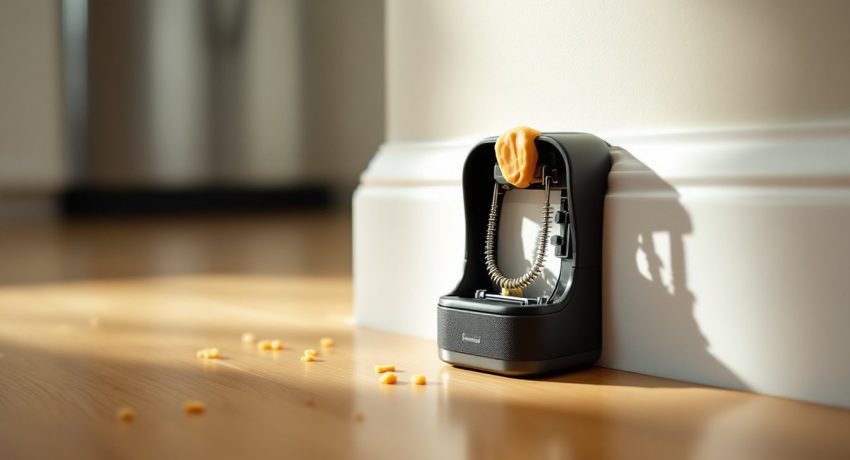

Finding droppings behind the cereal boxes or hearing scratching at 2 a.m. means it’s time to act. Mice aren’t just a nuisance, they chew wiring, contaminate food, and multiply fast. One female can produce up to 60 offspring per year. Setting traps is the most reliable first line of defense for homeowners dealing with a rodent problem. The good news? Trapping mice is straightforward if you choose the right trap, place it correctly, and use effective bait. This guide walks through everything needed to set up mouse traps that actually work, no fluff, just practical steps that get results.
Table of Contents
ToggleKey Takeaways
- Choose the right mouse trap type—snap traps for tight spaces, electronic traps for heavy infestations, or live traps if you prefer a humane approach—each has distinct advantages for your specific situation.
- Position mouse traps perpendicular to walls with the trigger facing the baseboard, spacing them 6–10 feet apart in high-activity zones like behind appliances, under sinks, and along basement walls where mice naturally travel.
- Use high-calorie, aromatic baits like peanut butter or bacon rather than cheese, applying only a pea-sized amount to keep mice engaged long enough to trigger the trap mechanism.
- Always wear disposable gloves when handling traps and dead mice to protect against hantavirus and salmonella, and check traps daily to dispose of caught mice promptly.
- After catching mice, seal entry points smaller than 1/4 inch with steel wool, caulk, or expanding foam, and eliminate food sources by storing pantry items in airtight containers to prevent re-infestation.
Choosing the Right Mouse Trap for Your Home
Not all mouse traps work the same way, and the right choice depends on your tolerance for handling rodents, your budget, and where the mice are hiding. Each trap type has distinct advantages.
Snap Traps vs. Live Traps vs. Electronic Traps
Snap traps are the classic wooden or plastic spring-loaded devices. They kill instantly when triggered and cost $1–$3 each. Modern plastic versions like Tomcat snap traps have stronger springs and larger trip plates, making them more effective than old-school wood models. They’re reusable if cleaned properly. Downside: they require handling the dead mouse and can snap on fingers if set carelessly.
Live traps (also called humane traps) capture mice without killing them. These are small wire or plastic cages with one-way doors, typically $8–$15 each. They’re ideal if you prefer to release mice outdoors, though relocation must be at least 2 miles away to prevent return. Live traps require checking every 4–6 hours, a trapped mouse can die from stress or dehydration if left too long. They’re not practical for heavy infestations.
Electronic traps deliver a high-voltage shock that kills instantly. Models like the Victor Electronic Mouse Trap cost $20–$40, run on batteries, and feature indicator lights when a mouse is caught. They’re cleaner to empty (just tip the chamber into a bag) and can catch multiple mice before needing a battery change. They’re worth the investment if you’re squeamish about traditional traps or dealing with a persistent problem.
For most homeowners, a combination approach works best: electronic traps in high-traffic areas like kitchens, snap traps in tight spaces like behind appliances, and live traps if children or pets are present.
Where to Place Your Mouse Traps for Maximum Effectiveness
Placement matters more than the trap itself. Mice follow walls and avoid open spaces, they’re not going to wander into the middle of a room.
Set traps perpendicular to walls with the trigger end facing the baseboard. Mice travel along edges, so positioning traps this way intercepts their natural path. Place traps in pairs, triggers facing opposite directions, to catch movement from either side.
Focus on these high-activity zones:
• Behind appliances: stoves, refrigerators, dishwashers (mice love the warmth and crumbs)
• Under sinks: both kitchen and bathroom (they need water sources)
• In pantries and cabinets: especially lower shelves near food storage
• Along basement walls: particularly near utility penetrations (pipes, wiring)
• In attics or crawl spaces: check insulation for nesting material or droppings
• Near entry points: gaps around doors, vents, or utility lines
Look for droppings, which are small dark pellets about the size of a grain of rice, and gnaw marks on cardboard, wood, or plastic. These signs indicate active runways.
Space traps 6–10 feet apart in suspected areas. Mice have a small home range, usually 10–30 feet, so saturating the area with traps increases success. If you’re not catching anything within 2–3 days, move traps to a new location.
Avoid placing traps in areas where kids or pets can access them. If that’s unavoidable, use tamper-resistant bait stations (enclosed boxes that only mice can enter) or stick with live traps placed inside cabinets with childproof locks.
Step-by-Step Instructions for Setting Up Different Trap Types
Each trap type requires a different setup process. Follow these instructions carefully to avoid misfires or injuries.
Setting a Snap Trap:
- Apply bait to the bait pedal or cup (more on bait in the next section). Use a small amount, about the size of a pea.
- Pull back the kill bar (the wire hoop) and hold it against the base opposite the bait pedal.
- Hold the kill bar down with one hand. With the other hand, pull back the holding bar (the thin metal arm with a hook on the end).
- Hook the holding bar under the edge of the bait pedal. The trap is now set, it should be taut and sensitive.
- Place the trap carefully against the wall. Wear work gloves if you’re nervous, snap traps can break skin.
Setting a Live Trap:
- Open the trap door by pressing the release mechanism (varies by model, but usually a lever or spring clip).
- Place bait at the far end of the trap, past the trigger plate or trip wire.
- Set the door mechanism so it’s ready to close when the mouse steps on the trigger.
- Position the trap with the door facing the wall, along a known mouse runway.
- Check the trap every 4–6 hours. Never leave a mouse trapped overnight.
Setting an Electronic Trap:
- Install the required batteries (usually 4 AA batteries: check the manufacturer’s specs).
- Place bait in the bait cup at the back of the chamber.
- Turn the trap on using the power switch. An indicator light should confirm it’s active.
- Position the trap with the entrance facing a wall or along a known path.
- When the trap catches a mouse, the indicator light will blink or change color. Empty the chamber by opening the lid and tipping the contents into a plastic bag.
For detailed setups on various trap mechanisms, many homeowners refer to step-by-step guides from Instructables for visual walkthroughs.
Safety note: Always assume a set trap is live. Never reach over it or place your fingers near the trigger zone.
Selecting the Best Bait to Attract Mice
Forget the cartoon stereotype, cheese is not the best bait. Mice are more attracted to high-calorie, aromatic foods.
Top baits that consistently work:
• Peanut butter: The gold standard. It’s sticky, smells strong, and mice have to work the trap to eat it. Use a pea-sized dab.
• Chocolate-hazelnut spread (like Nutella): Similar benefits to peanut butter with added sweetness.
• Bacon or bacon grease: The smell is irresistible. A small piece or smear works.
• Dried fruit: Raisins, cranberries, or apricot pieces. Mice are attracted to sugar.
• Nuts or seeds: Sunflower seeds, almonds, or birdseed. Secure them with a tiny dab of peanut butter so they don’t roll away.
• Gumdrops or soft candy: Again, the sugar draw. Press them onto the bait pedal.
Avoid hard cheeses, bread, or loose grains, they’re too easy to steal without triggering the trap. The bait needs to keep the mouse in place long enough to activate the mechanism.
Change bait every 2–3 days if it dries out or goes untouched. Stale bait loses its scent appeal.
Pro tip: Lightly toast a piece of bread or cracker, then smear peanut butter on it. The toasted smell combined with peanut butter is hard for mice to resist. Resources like Family Handyman often highlight these tried-and-true techniques used by pest control pros.
Safety Tips and Common Mistakes to Avoid
Trapping mice is low-risk, but small mistakes can lead to injuries, wasted effort, or ongoing infestations.
Wear gloves when handling traps and dead mice. Mice carry hantavirus, salmonella, and other pathogens. Disposable nitrile gloves are sufficient.
Don’t overload traps with bait. More is not better. Too much bait lets the mouse nibble from the side without triggering the trap.
Don’t set traps in a rush. A poorly set snap trap either won’t trigger or will snap prematurely. Take your time hooking the holding bar.
Avoid touching traps with bare hands after setting. Human scent can make mice wary. If you’re concerned, wear gloves when placing traps or rub the trap with a paper towel to minimize scent transfer. In practice, most modern mice are less scent-sensitive than commonly believed, but it doesn’t hurt.
Never place snap traps where pets or kids can reach them. A snap trap can injure a curious dog’s nose or a toddler’s finger. Use enclosed bait stations or electronic traps in these areas.
Don’t reuse traps without cleaning them. Blood, fur, and scent residue can deter other mice or attract ants. Wash reusable traps with hot soapy water, rinse, and dry before resetting.
Check traps daily. A dead mouse left for days starts to smell and attract flies. Plus, you need to know if your strategy is working.
Don’t ignore the root cause. Traps treat the symptom, not the problem. Seal entry points with steel wool and caulk (mice can’t chew through steel wool), fix gaps around pipes, and eliminate food sources. Store pantry items in sealed plastic or glass containers.
For larger infestations, more than a dozen mice in a week, or if you’re uncomfortable handling traps, call a licensed pest control professional. According to guidelines seen in resources like Popular Mechanics, ongoing rodent problems often indicate structural issues that need expert assessment.
Dispose of dead mice properly. Double-bag them in plastic, seal tightly, and place in an outdoor trash can. Never handle a dead mouse without gloves.
What to Do After Catching a Mouse
Catching one mouse doesn’t mean the job is done. Mice are social and rarely travel alone.
For snap traps and electronic traps:
- Put on disposable gloves.
- Carefully remove the trap and place the entire trap (with mouse) into a plastic bag.
- For snap traps, release the mechanism over the bag so the mouse drops in. For electronic traps, open the chamber and tip the contents into the bag.
- Seal the bag tightly, double-bag if needed, and dispose of it in an outdoor trash bin.
- Clean the trap with hot soapy water or a dilute bleach solution (1 part bleach to 10 parts water). Rinse and dry.
- Disinfect the area where the trap was set. Use a disinfectant spray or the same bleach solution. Wipe down surrounding surfaces.
- Reset the trap immediately in the same location or move it to a new high-activity area.
For live traps:
- Transport the trap at least 2 miles from your home to an area with natural cover (wooded area, field) away from other structures.
- Open the trap door and let the mouse exit on its own. Don’t shake or force it out.
- Clean and disinfect the trap before reusing.
Monitor for continued activity. Keep traps set for at least 2 weeks after the last catch. If you go a full week with no activity, the immediate problem is likely resolved.
Inspect and seal entry points. Walk the perimeter of your home and basement. Look for gaps around:
• Utility penetrations (gas, water, electric)
• Dryer vents and exhaust fans
• Foundation cracks
• Door sweeps and weatherstripping
• Garage door seals
Mice can squeeze through a gap as small as 1/4 inch (about the diameter of a pencil). Use expanding foam, steel wool, or metal mesh to block these openings. Caulk or mortar works for smaller cracks.
Remove attractants. Clean up crumbs, store food in airtight containers, and don’t leave pet food out overnight. Fix leaky pipes, mice need water sources.
If you continue to catch mice after sealing obvious entry points and cleaning up attractants, you may have a nest in the walls, attic, or crawl space. At that point, a professional inspection is worthwhile to locate and remove nesting sites and assess whether you’re dealing with a larger structural issue.