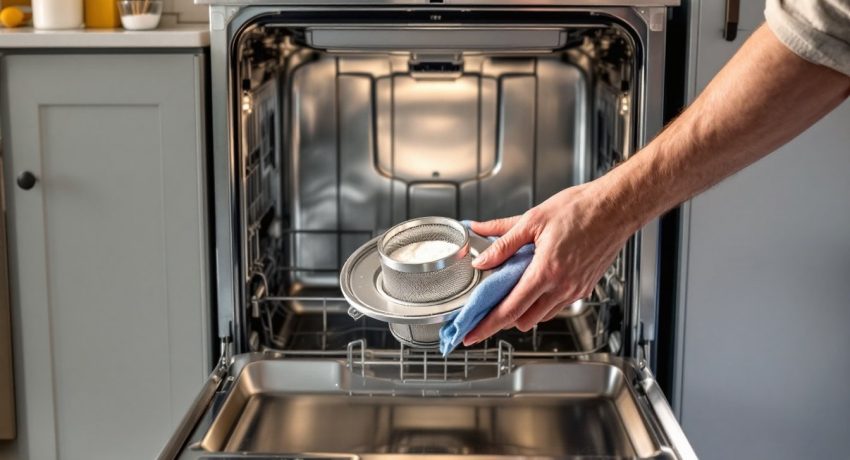

A clean dishwasher doesn’t just smell better, it washes better. Food debris, mineral buildup, and soap scum collect in filters, spray arms, and hidden crevices, reducing your KitchenAid’s cleaning power and shortening its lifespan. Left unchecked, the same appliance meant to sanitize your dishes becomes a breeding ground for bacteria and odors. The good news? Deep cleaning a KitchenAid dishwasher takes less than 30 minutes and requires only basic household supplies. This guide walks through the complete cleaning process, from filter maintenance to interior scrubdowns, so dishes come out spotless every time.
Table of Contents
ToggleKey Takeaways
- Deep cleaning your KitchenAid dishwasher monthly takes less than 30 minutes and prevents costly repairs, odors, and reduced washing performance caused by food debris and mineral buildup.
- The filter is the most critical component—clean it monthly by removing, rinsing thoroughly, and reinstalling, since a clogged filter blocks water circulation and allows debris to recirculate onto dishes.
- Clean spray arms by removing them and using a toothpick or wooden skewer to clear mineral deposits and food particles blocking the jets, which are a leading cause of poor wash performance.
- Run a cleaning cycle with either 2 cups of white vinegar on the top rack followed by 1 cup of baking soda, or use a commercial dishwasher cleaner, but never mix both methods in the same clean.
- Weekly quick maintenance—inspecting the filter, wiping the door seal, and checking for standing water—prevents major buildup and keeps your KitchenAid running efficiently between deep cleans.
- In hard water areas, mineral deposits build up faster, so consider adding rinse aid to the dispenser monthly and using a commercial cleaner to maintain optimal dishwasher performance and warranty coverage.
Why Regular KitchenAid Dishwasher Cleaning Matters
Dishwashers handle dirty work daily, but they can’t self-clean. Food particles, grease, and hard water deposits accumulate in the filter, spray arms, and door seals, creating multiple problems over time.
Performance drops first. When the filter clogs with debris, water can’t circulate properly. Spray arm jets get blocked by mineral deposits, leaving dishes with stuck-on food or cloudy film. The drain pump works harder, wasting energy and wearing out faster.
Odors follow close behind. Trapped food particles decompose in warm, moist conditions, creating the sour smell that greets you when opening the door. Biofilm, a slimy bacterial layer, forms on interior surfaces and door gaskets, compounding the odor issue.
Long-term damage becomes costly. Hard water scale restricts water flow and damages heating elements. A clogged drain can cause backups or overflow. Neglected maintenance turns minor issues into expensive repairs or premature replacement. Most manufacturers, including KitchenAid, recommend monthly cleaning to maintain warranty coverage and optimal function.
Cleaning isn’t just about appearance or smell. It’s preventive maintenance that protects a significant appliance investment and ensures dishes are actually sanitized, not just rinsed.
What You’ll Need to Clean Your KitchenAid Dishwasher
Gather these supplies before starting. Most are kitchen staples:
Cleaning Supplies:
• White vinegar (2 cups) – cuts grease and dissolves mineral deposits
• Baking soda (1 cup) – deodorizes and provides gentle abrasion
• Dish soap (a few drops) – for hand-cleaning components
• Commercial dishwasher cleaner (optional) – products like Affresh or Finish offer concentrated cleaning power for heavy buildup
• Soft-bristle brush or old toothbrush – reaches spray arm holes and tight corners
• Microfiber cloths (2-3) – lint-free and absorbent for wiping surfaces
• Sponge – non-abrasive for interior surfaces
Optional but Helpful:
• Toothpicks or wooden skewers – clear blocked spray arm jets
• Flashlight – inspect dark corners and under spray arms
• Rubber gloves – protect hands from grime and cleaning solutions
Safety Note: Never mix vinegar with bleach. The combination creates toxic chlorine gas. Stick with vinegar and baking soda for natural cleaning, or use commercial products according to label directions.
Most KitchenAid dishwashers have similar internal layouts, but check your owner’s manual for model-specific filter locations or removable parts. Manuals are usually available as PDFs on the KitchenAid website if you’ve misplaced the printed version.
Step-by-Step Deep Cleaning Process
Start with an empty dishwasher. Remove all dishes, utensils, and racks to access components that need cleaning.
Clean the Filter and Drain
The filter traps food particles before they reach the drain pump. It’s the most critical component to clean regularly.
-
Locate the filter assembly. In most KitchenAid models, it sits at the bottom center of the tub. You’ll see a cylindrical or flat screen filter.
-
Remove the filter. Twist counterclockwise (usually a quarter-turn) and lift out. Some models have a two-part system: an upper filter screen and a lower cylindrical filter. Remove both.
-
Rinse under hot running water. Hold the filter under the tap and flush debris from both sides. For stubborn buildup, use the soft-bristle brush and a few drops of dish soap. Scrub the mesh screen gently, aggressive scrubbing can damage the fine screen material.
-
Check the drain area. With the filter removed, inspect the sump (the opening below). Wipe out any debris, standing water, or sludge with a damp cloth. Small food particles often collect here.
-
Reinstall the filter. Place it back in position and twist clockwise until it locks. An improperly seated filter allows debris to recirculate onto dishes.
How often: Clean the filter every month, or more frequently if you scrape plates instead of rinsing them before loading. Some users benefit from weekly filter checks.
Wipe Down the Interior and Spray Arms
Interior surfaces and spray arms accumulate grease, soap scum, and mineral deposits that reduce cleaning efficiency.
Interior Surfaces:
-
Spray the interior with vinegar. Fill a spray bottle with undiluted white vinegar. Mist the door, walls, and bottom of the tub. Let it sit for 5 minutes to dissolve buildup.
-
Wipe with a microfiber cloth. Pay special attention to the door edges, door gasket (the rubber seal around the door), and corners where grime collects. For stubborn spots, sprinkle baking soda on the cloth for gentle abrasion.
-
Clean the door gasket thoroughly. Food particles and mold often hide in the rubber folds. Pull back the gasket gently and wipe inside with a cloth dampened with vinegar. This area contributes heavily to odors.
Spray Arms:
-
Remove the spray arms. The lower spray arm usually pulls straight up. The upper arm may require pressing a tab or unscrewing a cap, consult your manual if it’s not obvious. Some models also have a mid-level spray arm.
-
Inspect the spray holes. Hold the spray arm up to the light. Mineral deposits and food particles block the small jets. According to cleaning experts who study appliance maintenance, blocked spray arms are a leading cause of poor wash performance.
-
Clear blocked jets. Use a toothpick or wooden skewer to poke through each hole. Rinse under hot water, shaking the spray arm to dislodge loosened debris.
-
Soak if necessary. For heavy mineral buildup (common in hard water areas), soak spray arms in a bowl of white vinegar for 20-30 minutes, then scrub with the soft-bristle brush.
-
Reinstall the spray arms. Ensure they spin freely once reattached. Give each a test spin by hand, if they’re stiff or wobbly, they’re not seated correctly.
Run a Cleaning Cycle with Vinegar or Dishwasher Cleaner
Once components are clean and reinstalled, run a cleaning cycle to flush the entire system.
Vinegar Method (Natural Option):
-
Place 2 cups of white vinegar in a dishwasher-safe bowl or measuring cup. Set it upright on the top rack.
-
Run a hot water cycle. Select the hottest, longest cycle available (often labeled “Heavy” or “Pots & Pans”). Skip the drying cycle if possible, you’ll add baking soda next.
-
Add baking soda for deodorizing. When the vinegar cycle finishes, sprinkle 1 cup of baking soda across the bottom of the tub. Run a short hot water cycle (like “Rinse” or “Express”). The baking soda neutralizes odors and provides a final scrub.
Commercial Cleaner Method:
Products like Affresh, Finish, or Cascade dishwasher cleaners offer concentrated formulas designed to cut through tough buildup.
-
Follow label directions. Most tablets or powders go in the detergent dispenser or at the bottom of the tub.
-
Run the recommended cycle. Usually a normal or heavy hot water cycle with no dishes inside.
-
Use monthly. Commercial cleaners are convenient for regular maintenance. They’re particularly effective against hard water scale.
Hard Water Considerations: If you live in an area with hard water, mineral deposits build up faster. Consider using a commercial cleaner monthly and adding a rinse aid to the dispenser. Rinse aid helps water sheet off dishes and interior surfaces, reducing spotting and scale.
Important: Don’t run a vinegar cycle and a commercial cleaner cycle back-to-back. Pick one method per deep clean. Vinegar is acidic, and some commercial cleaners are alkaline, mixing them can reduce effectiveness or create unwanted reactions.
Monthly Maintenance Tips to Keep Your Dishwasher Fresh
Consistent light maintenance prevents major buildups and keeps your KitchenAid running efficiently between deep cleans.
Weekly Quick Checks:
• Inspect the filter. Pull it out and rinse under hot water. Takes 2 minutes and prevents clogs.
• Wipe the door seal. A quick pass with a damp cloth stops odor-causing buildup in the gasket folds.
• Check for standing water. If water remains in the bottom after a cycle finishes, the drain or filter may be clogged.
Monthly Deep Clean:
• Follow the full cleaning process outlined above. Schedule it on the same day each month (e.g., first Saturday) so it becomes routine.
• Resources like home maintenance guides suggest marking appliance maintenance on a calendar to avoid neglect.
Load Smart to Reduce Buildup:
• Scrape plates before loading. You don’t need to rinse, but remove large food particles. Bones, seeds, and stickers don’t belong in the dishwasher.
• Don’t overload. Crowded dishes block spray arms and trap debris. Water needs to reach all surfaces.
• Face dishes toward the spray arms. Ensure the dirty side gets direct water flow.
• Run hot water at the sink first. Before starting a cycle, run the kitchen faucet until water is hot. This ensures the dishwasher starts with hot water for better cleaning and dissolving detergent.
Use Quality Detergent:
• Cheap or expired detergent leaves residue. Use fresh detergent appropriate for your water hardness.
• Pods, powder, and gel all work, pick what suits your model and water conditions. KitchenAid dishwashers generally perform well with any quality detergent.
Check Water Temperature:
• Dishwashers need 120-150°F water for effective cleaning and sanitizing. If dishes aren’t getting clean even though regular maintenance, check your water heater setting. Most households set heaters to 120°F, which is the minimum.
Address Hard Water:
• If you notice white film on dishes or interior surfaces, you have hard water. Add a rinse aid to the dispenser and consider a water softener for the whole house if the problem is severe.
• Descaling products (like citric acid-based cleaners) are effective quarterly treatments for hard water buildup.
When to Call a Pro:
Most cleaning and maintenance tasks are DIY-friendly, but some issues require a technician:
• Persistent foul odors after deep cleaning may indicate a clogged drain line or damaged pump seal.
• Water not draining even though a clean filter suggests a blocked drain hose or malfunctioning pump.
• Unusual noises (grinding, squealing) point to worn bearings or motor issues.
• Leaking water around the door or base may involve failed gaskets or cracked hoses.
KitchenAid appliances typically carry a one-year parts and labor warranty. Extended warranties or service plans may cover repairs beyond that. Check your documentation before calling an independent repair service.
Safety Reminder: Always disconnect power (unplug or flip the breaker) before doing any work beyond routine cleaning. Water and electricity don’t mix. If you’re unsure about a repair, calling a licensed appliance tech is the smart move.