
Chicken salad is a kitchen staple that bridges the gap between meal prep efficiency and quick weekday lunches. But it’s also one of those items that toes the line between fresh and spoiled faster than most people realize. The combination of mayonnaise, dairy, and cooked poultry creates a perfect storm for bacterial growth if storage conditions aren’t right. Understanding proper refrigeration timelines isn’t just about avoiding waste, it’s about protecting anyone who eats from your fridge. This guide breaks down exactly how long chicken salad stays safe, what warning signs to watch for, and the storage techniques that actually make a difference.
Table of Contents
ToggleKey Takeaways
- Chicken salad lasts 3 to 5 days in the refrigerator when stored at 40°F or below, with the clock starting from when ingredients are mixed, not when it enters the fridge.
- Watch for warning signs including dull color, watery separation, slimy texture, or sour smells—discard immediately if any appear, rather than taste-testing.
- Store chicken salad in airtight containers on interior refrigerator shelves away from the door, maintain consistent temperatures between 35–40°F, and use clean utensils to prevent contamination.
- Mayonnaise-based chicken salad does not freeze well due to separation and curdling, but cooked chicken can be frozen separately for up to four months before mixing with fresh dressing.
- Cool chicken completely before mixing with mayonnaise, transfer to the fridge within two hours of preparation, and consider storing mix-ins separately to prevent moisture buildup and bacterial growth.
- Homemade chicken salad requires the same vigilance as store-bought versions—label containers with prep dates, avoid cross-contamination, and prioritize food safety over waste prevention.
Refrigerator Shelf Life: The 3-5 Day Rule for Chicken Salad
The USDA recommends consuming chicken salad within 3 to 5 days when stored at 40°F or below. That window applies whether the salad is homemade or store-bought, though commercial versions sometimes include preservatives that edge closer to the five-day mark.
The clock starts ticking the moment the chicken is cooked and mixed with other ingredients, not when it hits the fridge. If chicken salad sits at room temperature during prep or at a picnic, those hours count against total shelf life. The two-hour rule applies here: any perishable food left out for more than two hours (or one hour above 90°F) should be discarded, regardless of how fresh it looked going in.
Store-bought chicken salad with an unopened seal may last slightly longer due to commercial processing and packaging, but once opened, the same 3-5 day guideline applies. Always check the “use by” or “sell by” date as a baseline, then apply the storage window from the day the container is opened.
Ingredient composition matters. Chicken salad made with Greek yogurt instead of mayonnaise, or versions with high-acid ingredients like lemon juice or vinegar, may resist spoilage marginally better. But don’t push it, protein and dairy still dominate the spoilage timeline. When in doubt, three days is the safest bet for homemade batches.
Signs Your Chicken Salad Has Gone Bad
Chicken salad doesn’t always announce spoilage with obvious mold or stench, especially in early stages. Recognizing subtle changes can prevent foodborne illness.
Visual cues include a dull or grayish tint to the chicken itself, separation of the mayonnaise or dressing (watery liquid pooling at the bottom), or any visible mold, typically green, white, or black spots on the surface or around the container edges. Discoloration of add-ins like celery or grapes is another red flag.
Smell is the most reliable indicator. Fresh chicken salad has a mild, slightly tangy aroma from the mayo or mustard. Spoiled chicken salad develops a sour, ammonia-like, or outright rotten smell. If opening the container makes anyone hesitate, that’s reason enough to toss it.
Texture changes matter too. If the chicken feels slimy or sticky rather than firm and moist, bacterial growth has likely started. Mayonnaise-based dressings may also develop a curdled or grainy texture as they break down.
Taste-testing questionable chicken salad is not recommended. Pathogenic bacteria like Salmonella, Listeria, and Staphylococcus aureus don’t always alter flavor noticeably but can still cause serious illness. When storage time approaches or exceeds five days, or any warning sign appears, discard the entire batch. It’s not worth the risk.
Best Practices for Storing Chicken Salad Safely
Proper storage starts before the chicken salad even goes into the fridge. Cooling protocols and container choices have direct impact on shelf life.
Cool chicken completely before mixing it with mayo or other ingredients. Adding warm chicken raises the overall temperature of the salad, creating a window where bacteria thrive. Spread cooked chicken on a sheet pan and refrigerate for 15-20 minutes if needed.
Transfer chicken salad to the fridge within two hours of preparation. If serving at a gathering, keep it on ice or in a cooler with ice packs. Never leave it on a buffet table for extended periods.
Portion control helps minimize contamination. Instead of dipping into one large container repeatedly, divide chicken salad into smaller, single-use portions. Each time a container is opened and a utensil introduced, bacteria have a chance to enter.
Avoid cross-contamination by using clean utensils every time. A spoon that touched a sandwich or someone’s mouth should never go back into the main container.
Proper Container Selection and Temperature Control
Airtight containers are non-negotiable. Exposure to air accelerates oxidation and invites bacteria. Glass or BPA-free plastic containers with tight-sealing lids work best. Avoid containers with cracked seals or warped edges.
Store chicken salad on an interior shelf, not the door. Refrigerator doors experience the most temperature fluctuation every time they open. The back of the middle or lower shelf stays coldest and most consistent.
Verify fridge temperature regularly with an appliance thermometer. Many home refrigerators run warmer than their dials suggest. The safe zone is 35°F to 40°F. Anything above 40°F significantly shortens shelf life and increases bacterial risk.
Don’t overcrowd the container. Leave a bit of headspace to allow cold air to circulate around the salad. If storing a large batch, use multiple smaller containers rather than one overstuffed tub.
Factors That Affect Chicken Salad Freshness
Not all chicken salads age the same. Ingredient choices, prep methods, and even the chicken’s initial quality influence how long it stays safe.
Mayonnaise quality and type play a role. Commercial mayonnaise contains preservatives and stabilizers that resist spoilage better than homemade mayo made with raw eggs. That said, homemade mayo’s shorter shelf life (about one week on its own) doesn’t necessarily shorten chicken salad’s timeline if other factors are managed.
Add-ins affect longevity. Fresh vegetables like celery, onions, and bell peppers release moisture over time, which can dilute the salad and create a breeding ground for bacteria. Grapes, apples, and other fruits introduce sugars that ferment. Nuts and dried fruits tend to be more stable. If meal-prepping, consider storing mix-ins separately and combining them just before eating.
Initial chicken handling is critical. Chicken must be cooked to an internal temperature of 165°F and cooled properly. Using leftover rotisserie chicken is convenient, but if that chicken sat out at the store or at home before being mixed into salad, the spoilage clock already started.
Seasoning and acidity can help, but only marginally. Ingredients like lemon juice, vinegar, or mustard lower pH and create a less hospitable environment for some bacteria. But, they don’t eliminate risk or extend shelf life beyond the 3-5 day window.
Frequency of access matters more than most realize. Every time the container is opened, warm air enters and the internal temperature rises slightly. If a household repeatedly dips into the same tub, bacterial introduction and temperature swings shorten freshness. Single-serving portions avoid this issue.
Can You Freeze Chicken Salad to Extend Its Life?
Freezing chicken salad is technically possible, but results are hit-or-miss depending on ingredients. Mayonnaise-based chicken salad does not freeze well.
Mayonnaise separates and breaks when frozen, leaving a watery, curdled mess after thawing. The emulsion that gives mayo its creamy texture falls apart at freezing temperatures. Thawed chicken salad will be grainy and unappetizing.
If freezing is necessary, the best approach is to freeze the cooked chicken separately, without dressing or add-ins. Plain cooked chicken can be frozen for up to four months in airtight, freezer-safe containers or heavy-duty freezer bags. Thaw it in the refrigerator overnight, then mix with fresh mayo and other ingredients.
Greek yogurt-based chicken salad freezes marginally better than mayo versions, though texture changes still occur. Some separation is inevitable, but it can be stirred back together with better results than mayo.
Vegetables like celery and grapes turn mushy after freezing due to their high water content. If planning to freeze, omit these ingredients and add them fresh after thawing.
For anyone serious about meal prep, consider freezing chicken salad components separately: cooked chicken in one container, a small portion of dressing in another, and fresh veggies stored in the crisper. Assemble just before eating. It’s more work upfront but delivers better flavor and food safety.
Food Safety Tips for Homemade vs. Store-Bought Chicken Salad
Homemade and store-bought chicken salads aren’t equal when it comes to spoilage risk. Processing, packaging, and ingredient sourcing create different safety profiles.
Store-bought chicken salad from a deli counter or refrigerated grocery section is typically made in commercial kitchens under regulated conditions. But, it’s also handled by staff, exposed to air during display, and may sit in a case for hours before purchase. Always check the “sell by” or “use by” date, and assume a 3-day maximum after opening, even if the printed date suggests longer.
Pre-packaged, sealed chicken salad from the refrigerated section may include preservatives like potassium sorbate or citric acid that extend shelf life slightly. Once opened, treat it like homemade: 3-5 days max.
Homemade chicken salad offers more control over ingredient quality and freshness, but also more room for error. Use pasteurized eggs if making homemade mayo to reduce Salmonella risk. Wash hands, cutting boards, and utensils thoroughly to prevent cross-contamination from raw chicken or other foods.
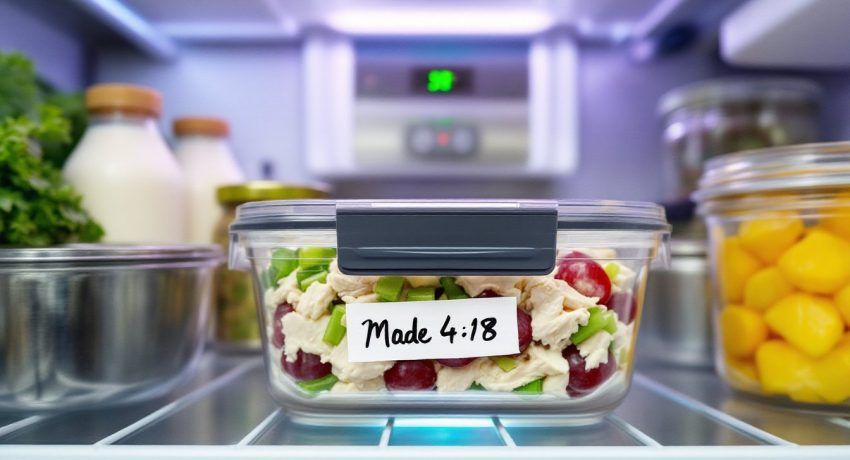
Label containers with the prep date using masking tape and a marker. It’s easy to lose track of when something was made, especially in a busy household. A simple “Made 4/18” sticker removes guesswork.
When transporting chicken salad for lunches or picnics, use insulated bags with ice packs. The goal is to keep it below 40°F until it’s eaten. If chicken salad will be out of refrigeration for more than two hours, it’s safer to pack shelf-stable alternatives.
Both homemade and store-bought versions require the same vigilance. Refrigeration isn’t a pause button, it only slows bacterial growth. Respect the timeline, watch for warning signs, and when in doubt, throw it out.